Stay Informed, Stay Inspired: Check out our Latest Blog Posts.
- All
- Best Practices
- Case Studies
- Company Culture
- Job News
- Jobseeker Tips
- North Bridge News
- Staffing
- Uncategorized
- Workplace

How to Choose the Right Staffing Partner
Not all recruiting firms operate the same way. Here’s what to evaluate when choosing a staffing partner for your hiring needs.

Why Candidate Vetting Matters More Than Hiring Speed
Speed-to-fill is a metric, not a goal. Here’s why rigorous candidate vetting consistently produces better hires than a fast hiring process.

How to Prepare for a High-Stakes Job Interview
High-stakes job interviews require a different level of preparation. Here’s how to walk in ready—not just rehearsed.

5 Signs Your Hiring Process Needs Work
A broken hiring process doesn’t always announce itself. These five signs show up quietly—until they cost you.

5 Interview Mistakes That Cost Job Offers
Most interview mistakes aren’t obvious in the moment. Here are five that consistently cost candidates offers—and what to do instead.

When to Engage a Recruiting Partner
Not every hire needs outside help. Here’s how to know when a specialized recruiting partner will actually move the needle.

What Employers Look for in Top Talent
Being qualified secures the interview. But here’s what actually gets companies to say yes—and how to prepare for both dimensions.

The True Cost of a Bad Hire for Growing Companies
For growing companies, a bad hire is more expensive than it looks. Here’s what most cost calculations leave out.

How to Stand Out in a Competitive Job Market
Learn how to stand out in a competitive job market with positioning strategies that help recruiters and hiring managers say yes with confidence.

Why Strategic Hiring Beats Reactive Hiring
Reactive hiring is costly. Learn how strategic hiring with a two-step screening process leads to better placements and longer retention.

What to Expect When Working with a Recruiter
Working with a recruiter is different from applying on your own. Here’s what the process actually looks like—and how to get the most out of it.
How We Connect Talent and Build Trust
Behind the scenes at North Bridge Staffing At North Bridge Staffing, successful placements don’t happen by chance—they’re the result of a thoughtful, strategic process happening behind the scenes every day.…
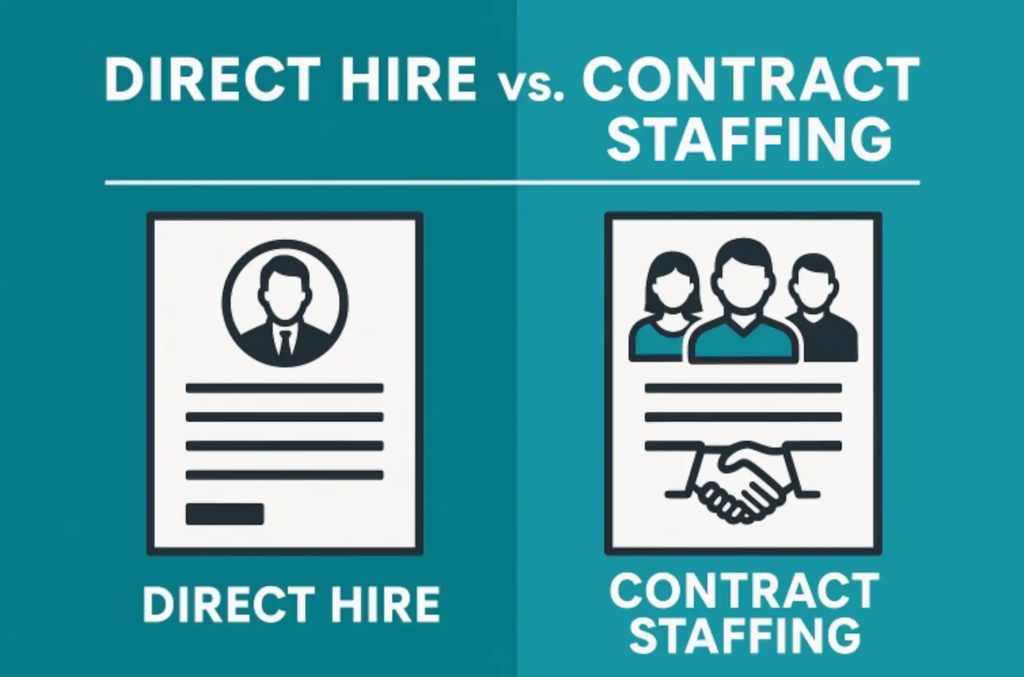
Contract vs. Direct Hire: When to Use Each
Choosing the right staffing solution can make all the difference. Whether your organization is scaling quickly or building for long-term success, understanding when to use contract staffing versus direct hire…

The Future of Hiring: Speed, Data, and Human Insight
Blending Automation with Relationship-Driven Recruiting The hiring landscape is evolving rapidly. In 2026, organizations are facing unprecedented pressure to fill roles faster, make smarter decisions, and deliver exceptional candidate experiences—all…
Hiring Trends to Watch This Quarter
Insights from North Bridge Staffing As we move into a new quarter, hiring continues to evolve at a rapid pace. Employers who stay ahead of market shifts will be better…

How to Build a Talent Pipeline Before You Need IT
Why proactive recruiting prevents urgency hires One of the most common hiring challenges we see isn’t a lack of candidates — it’s a lack of preparation. A key team member…
What Hiring Managers Look For in 2026
Insider insights from North Bridge Staffing The hiring landscape continues to evolve, but one thing remains constant: hiring managers are looking for more than just experience on a resume. In…

Interviewing in 2025: What Changed?
The job market is constantly evolving, and so is the interview process. Candidates and employers alike are navigating new technologies, shifting expectations, and changing formats. While the fundamentals of making…

Hiring Trends We’re Watching This Quarter
The hiring landscape is constantly evolving—and staying ahead of the curve is essential for both employers and job seekers. This quarter, our team at North Bridge Staffing has been closely…

5 Hiring Red and Green Flags Recruiters Spot
North Bridge recruiters share the red and green flags they spot instantly and what each one signals about a candidate’s long-term fit.

Recruiter-Sales Connection Guide
At North Bridge Staffing, sales and recruiting don’t work in silos—they work in sync. Behind every successful hire is a seamless collaboration between two key forces: sales and recruiting. At…

How to Write Job Descriptions That Attract Talent
In a competitive job market, the first impression your company makes on potential candidates is often through your job description. But too often, these listings are vague, overly technical, or…

How We Match Culture, Not Just Skills
At North Bridge Staffing, we prioritize lasting partnerships by aligning values, not just resumes. When it comes to recruiting, matching technical skills is only part of the equation. At North…

Master the ‘What Are Your Weaknesses?’ Interview Question
How to Tackle One of the Most Dreaded Questions with Confidence and Authenticity When preparing for a job interview, few questions stir up anxiety quite like the classic: “What are…

Why the Perfect Candidate Is Hard to Find
Every hiring manager has been there: a role opens up, the job description is written, resumes start rolling in… and suddenly you realize just how hard it is to find…

How Our Recruiters Support Every Step
A behind-the-scenes look at how North Bridge Staffing guides candidates through the full hiring journey. 📝 Step 1: Personalized Resume Review Once your application is received, our recruiters don’t just…

Why a Staffing Partner Saves Time and Money
Hiring the right person is critical — but it’s also time-consuming, resource-draining, and sometimes frustrating. From sourcing and screening to scheduling interviews and negotiating offers, every step takes valuable time…

3 Things That Set Great Salespeople Apart
Why listening, adaptability, and resilience matter more than the pitch In today’s fast-moving business landscape, the most successful salespeople aren’t always the ones with the flashiest pitch or the most…

The Recruiter-Sales Connection
The most successful recruiters don’t just fill jobs—they drive business growth. They blend the relationship-building power of a top-tier salesperson with the instincts of a career coach, bridging the gap…
Bullhorn 15th Annual Grid Report Overview
The recruitment industry is navigating a transformative period, marked by economic challenges and rapid technological advancements. Bullhorn’s 15th annual GRID 2025 Industry Trends Report offers a comprehensive analysis of these…

The #1 Thing Hiring Managers Look for (That’s Not
When crafting your resume, you meticulously highlight achievements, skills, and experiences, hoping to catch a hiring manager’s eye. But what if we told you that the most crucial trait hiring…

Why ‘no’ Doesn’t Always Mean ‘never’
In the world of sales and recruiting, hearing “no” is inevitable. Whether you’re working with potential clients, candidates, or business partners, objections can feel discouraging. But what if we told…
2024 Staffing and Hiring Trends
The 2024 Industry Trends Report from Bullhorn offers critical insights into the evolving landscape of staffing and recruitment. Focusing on digital transformation, automation, and the increasing demand for specialized talent,…

2025 Best Practices for Recruiters
As we approach 2025, the staffing industry continues to evolve rapidly, driven by advances in technology, shifts in candidate expectations, and changes in client needs. Recruiters and sales professionals within…

Bullhorn 2024 Talent Trends: Key Insights
As the global workforce continues to evolve, staffing agencies and talent acquisition professionals are facing a rapidly shifting landscape. Bullhorn’s 2024 Talent Trends Report sheds light on the significant forces…

How to Engage Passive Talent and Clients
In the competitive fields of recruiting and sales, engaging passive talent and clients can be a game-changer. These individuals or companies may not be actively looking for new roles or…

Bullhorn Webinar Insights for Growth
North Bridge Staffing recently attended Bullhorn’s webinar “Top Metrics Every Growing Recruitment Agency Should Track (and How to Improve Them).” The webinar offered valuable insights into key metrics that recruitment…

Case Study: Streamlining Hiring Coordination
The Need A global investment firm faced challenges in recruiting the right talent for its Recruiting Coordination and People Data team. The firm experienced high turnover rates with contractors who…
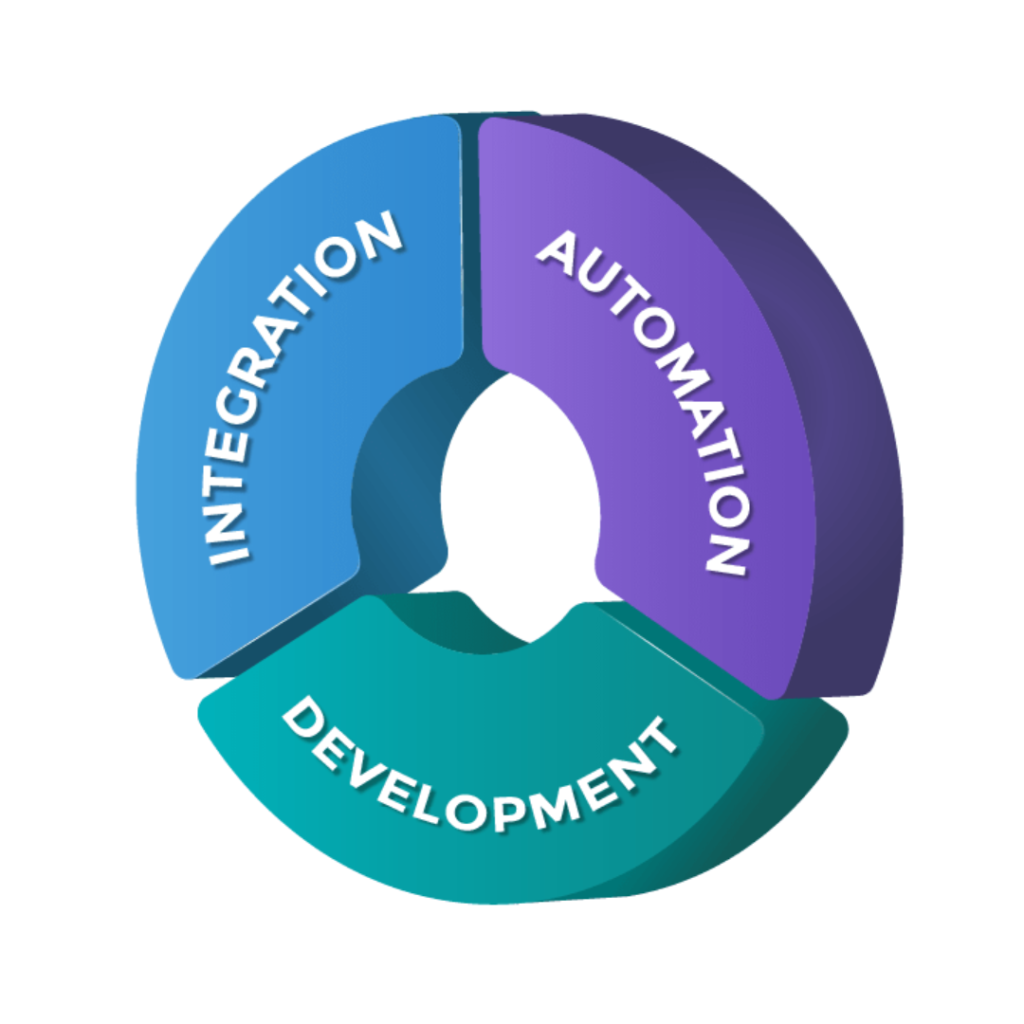
North Bridge Attends Webinar on Business Development
At North Bridge Staffing, we strive to stay ahead of the curve by embracing industry best practices and innovative technology. Recently, our team had the opportunity to attend Bullhorn’s highly…

Best Tips and Practices for Effective Talent Mapping
Talent mapping is a strategic process that helps organizations identify, attract, and retain the best candidates for both current and future needs. By aligning your workforce with your long-term goals,…

Key Job Highlights and Trends
Understanding job highlights and trends is crucial for navigating the ever-evolving employment landscape. This article outlines the key job highlights and trends, providing insights into the current job market dynamics,…

Retention Tips for Small Business Owners
Employee retention is a critical aspect of running a successful small business. High turnover rates can be costly and disruptive, affecting productivity, morale, and customer satisfaction. Here are some effective…

Why Reference Checks Matter in Hiring
Reference checks are a critical component of the hiring process, providing invaluable insights into a candidate’s past performance, work ethic, and cultural fit. While resumes and interviews offer a glimpse…

Tips for Recent Graduates Seeking Interviews
Graduating and entering the job market can be challenging, especially in a competitive environment. Here are some tips to help you navigate this phase and improve your chances of landing…

Client Retention & Loyalty Webinar Insights
At North Bridge Staffing Group, we continually seek to enhance our understanding and strategies to better serve our clients. Recently, our team had the privilege of attending an insightful webinar…

Understanding Compensation Trends
At North Bridge Staffing, we believe that knowledge is the key to growth and success. To this end, we recently conducted an in-depth compensation survey aimed at gathering valuable insights…

Situational Interview Questions: Prep Tips
Situational interview questions are designed to assess how candidates approach real-world scenarios and problem-solving situations. Mastering these questions requires thoughtful preparation and a strategic approach. Here are some essential strategies…

The North Bridge Client and Candidate Journey
At North Bridge, we’re not just a staffing agency—we’re your strategic partner in talent acquisition. Our client service mission embodies a commitment to precision and efficiency in the art of…

Professional Tips for Improving Your Workday
Optimizing your workday is essential for productivity, efficiency, and overall well-being. Whether you’re striving to meet tight deadlines, manage a heavy workload, or simply enhance your day-to-day experience at work,…

How to Build a Winning Employee Experience
Organizations recognize that their most valuable asset is their people. As such, creating a positive and engaging employee experience is essential for attracting, retaining, and motivating top talent. A winning…

Mastering the Art of Answering “What Are Your Strengths?”
Job interviews can be nerve-wracking experiences filled with anticipation and the desire to make a positive impression. One common question that candidates often encounter is, “What are your strengths?” While…

How to Find Joy in Your Job Search
The job search journey can often feel like a rollercoaster ride, filled with ups and downs, twists, and turns. While it’s natural to encounter challenges along the way, learning to…

Key Traits Shared by High-Performing Teams
Success is often achieved not by individual brilliance, but by the collective effort of high-performing teams. These teams exhibit a synergy that enables them to surpass expectations, tackle challenges, and…
Mastering Your Technical Skills
Possessing strong technical skills is essential for standing out and securing desirable employment opportunities. Whether you’re a recent graduate entering the workforce or a seasoned professional looking to advance your…

Navigating the Challenges of Modern Prospecting
Prospecting, the backbone of successful sales, has undergone significant transformations in recent years. The digital age has brought both opportunities and challenges, making the art of finding and cultivating potential…

Hiring Guide: How to Find Great Talent
One of the critical factors for an organization’s success is its ability to attract and retain top-tier talent. Finding great talent is not just about posting a job opening; it’s…

Navigating the Resume Crafting Landscape
In an era characterized by technological advancements, job seekers are presented with a myriad of tools to enhance their professional pursuits. Among these, Artificial Intelligence (AI) programs have gained attention…

AI in Modern Hiring
The world of recruitment is undergoing a significant transformation, and at the heart of this revolution is Artificial Intelligence (AI). AI is reshaping how companies find, attract, and hire talent,…

Learning From Negative Feedback
Feedback is a powerful tool. It can mirror our accomplishments and, at times, our shortcomings. While positive feedback is always welcomed, negative feedback often provides the most profound opportunities for…

The Role of Sales in a Company’s Growth Strategy
In business, growth isn’t merely a desire; it’s a necessity. To thrive and remain competitive, organizations must consistently seek opportunities for expansion and development. A fundamental element of this growth…

Job Contract Types: Pros and Cons
Job contracts come in various forms, each offering a unique set of advantages for employers and employees. Whether you’re a job seeker or an employer looking to hire, understanding the different types…
Tips for Success in the Sales Market
Success in the sales market is not solely dependent on charisma and a persuasive pitch; it’s about mastering a combination of skills, strategies, and relentless effort. Whether you’re a seasoned…

Unlock Your Professional Potential
In the evolving professional landscape, the significance of professional development cannot be overstated. It’s not just a catchphrase; it’s the key to personal and career growth. What is Professional Development? Professional…

How to Stand Out in Your Job Search
In today’s competitive job market, standing out from the crowd is crucial for securing the job of your dreams. With numerous qualified candidates vying for positions, it’s essential to showcase…

The Power of Personal Connection
In today’s digitally connected world, communication has taken on new forms, with emails and texts becoming the norm. However, when it comes to building strong relationships with clients, the traditional…

The Journey to Landing Your Dream Job
Securing a job that aligns with your skills, aspirations, and goals is an exciting and often challenging endeavor. The process of getting a job involves various stages, from introducing yourself…

Benefits of ChatGPT for Recruiters
ChatGPT, an advanced language model developed by OpenAI, offers several advantages for recruiters looking to enhance their hiring processes. Here’s a summary of the key benefits: By leveraging the capabilities…

The Power of Client and Customer Testimonials
In today’s highly competitive business landscape, building trust and credibility is crucial for the success of any company. One of the most effective ways to establish trust is through client…

Navigating the Changing Landscape of Employment
The job market is a dynamic ecosystem that continually adapts to the ever-changing needs of industries, technological advancements, and economic conditions. Certain professions gain prominence over time due to increased…

Navigating the Competitive Job Market
In today’s ever-evolving business landscape, the job market remains highly competitive, making it crucial for companies to streamline their hiring processes and prioritize meeting the needs of their clients. With…

New Graduates: Navigating the Post-Graduation Journey
Congratulations, new graduate! You’ve successfully completed your academic journey and are now ready to embark on an exciting new chapter of your life. The transition from student to professional can…

Expert Tips for Crafting an Impressive Resume
Your resume serves as your personal marketing tool, allowing you to showcase your skills, experience, and qualifications to potential employers. A well-crafted resume can greatly increase your chances of securing…

The Powerful Intention of International Women’s Day
It’s now even more important to recognize the role of women in your business, not least because it’s more crucial than ever before to retaining these valued employees.

Why Tech Layoffs Can Be Misleading
Anyone on the hunt for a new job shouldn’t let the recent spate of tech layoffs worry them too much. Here’s why…

9 Tips and Best Practices for Cover Letters
Cover letters are still critically important to standing out from competing job candidates. Here are the ways you can make yours a winner!

9 Resume Tips and Best Practices
By following these proven tips, you’ll craft a resume that helps you stand out from the pack and increase your chances of landing an interview.

Excessive Interviewing: How to Avoid the Nightmare
Candidates are increasingly frustrated by drawn-out application and interview processes. What one secret to shortening this so you don’t lose good applicants?

How to Celebrate Black History Month at Work
Properly recognizing your Black employees deserves real planning and attention. Here are the best ways you can make the most of the opportunity.

Should You Use ChatGPT for Your Cover Letter?
Although the demise of the cover letter has been promised for years, it continues to be a requirement of many job applications. Should you let an AI write it for you?

Job Market Trends Job Seekers Should Watch
What’s ahead for candidates in a uniquely fluid and ever-evolving job market? The should keep on eye on these key trends.

Best Practices for Talent to Use on LinkedIn
It’s an essential tool for finding a job or nurturing your career, but how can you really optimize your presence on LinkedIn?

6 Tips for Hiring Long-Term Contract Workers
To find and lock in top freelance talent, HR teams ought to follow these proven best practices.

The Future of Work: 2023 HR and Work Trends
What’s ahead for the world of work? There are major trends underway that are reshaping workplaces, industries, and employee experiences.

What Are 4 Gig Economy Trends for 2023?
The COVID-19 pandemic spawned many changes and innovations in the business world, but none has been quite as dramatic as the rise of the gig economy. What changes might be in store in the year ahead?

Add Enhanced Onboarding to Your 2023 HR Goals
It’s more urgent than ever for HR departments to make sure their onboarding processes help them retain workers.

Why Not to Fire Employees via Zoom
Technology may have made it easy to do mass layoffs, but there are serious reasons why it’s a terrible way to offboard employees.

5 Mistakes to Avoid in a Video Job Interview
In a Zoom, Google Meet, Teams or other video job interview, avoid these errors and improve your odds of making a great impression.

7 First Quarter Job Search Tips
If you’re looking for a new job in the first quarter of the new year, here are some can’t-miss tips to help you make the most of the situation.

10 Ways to Celebrate Inclusive Holidays at Work
It’s an opportunity to make all employees feel seen and respected at your company.
How to Retain Onsite Staff
What are tactics you can put into place that will help you keep onsite employees from exiting for remote opportunities?

Companies Expanding in Illinois and Chicago
Thanks to the efforts of Intersect Illinois, these companies are adding jobs across the state in 2022.

Changing Careers: Guide for Talent and Employers
Once discouraged, wholesale career changes are now increasingly common — especially as navigating a global pandemic has accelerated ideas about the future of work for both employees and employers.

11 Internship Tips to Build a Talent Pipeline
11 tips on how to construct a successful internship program that will reward you with potential great employees.

Q4 Hiring and Job Search Insights
For hiring teams and job seekers alike, Q4 2022 is a time to link up to fill necessary roles – or for both get ready for Q1 2023.

Key Takeaways From Staffing World 2022
We were able to attend seminars from multiple influential professionals in the staffing and recruiting industry, like Michael Levitt and Suky Sodhi, along with Magic Johnson as a keynote speaker!

How to Know If a Company Shares Your Values
You’re potentially spending a third of your life on the job, so it’s important to feel you’re working in a place where you’re comfortable with its values.

Green Lights to Look for During the Hiring Process
What signs should a hiring manager and candidates alike look for that indicate there’s a good match ahead?

Hiring Red Flags Managers and Talent Ignore
A bad hiring decision can have a hefty price tag for employers. So what are the warning signs to watch out for?

What’s the Top Reason Workers Return to the Office?
Before asking staffers to return to onsite work, it’s useful to understand why they’d be tempted to come back to the office.

Why America’s Mental Health Matters to HR
What can Human Resources teams do to help address a rising tide of mental health issues?
Preparing for Pay Transparency
Pay transparency laws are on the rise. Here’s how to use them as assets to hiring and retaining employees.
Pros and Cons of Recruitment Unicorn Hunting
Recruiting the perfect employee might be an attractive idea…but it also has dangers you need to keep in mind.
What is Quiet Quitting?
It’s a problem that HR teams need to recognize, as well as not automatically blame on employees.
How to Celebrate Hispanic Heritage Month
It’s a unique opportunity for companies to recognize their Latinx employees in meaningful ways.
New York City Employment Outlook
The city has been bouncing back, but it’s not all the way there yet. See what the latest statistics tell us.
Why Should HR Teams Worry About Digital Job Postings?
Digital job openings that are accessible by out-of-state workers may raise unexpected legal issues and complications.
Top Hiring Trends for Fall 2022
North Bridge experts review the top hiring trends this fall, and what may be ahead for jobseekers and employers.
How Job Hopping Benefits Workers
A new study shows that pay increases are benefiting workers who job hop more than ever.
What Is the Future of Onsite Work?
The future of onsite work isn’t yet clear, especially since employers and candidates don’t see eye-to-eye.
How the Real Estate Market Impacts Hiring
Finding housing can be an obstacle to hiring a new employee. What are the trends and how are they affecting buyers and employers?
4 Reasons to Hire a Staffing Consultant
Using a staffing consultant makes more sense than ever for companies and job seekers alike.
Embracing Generational Diversity in the Workplace
Nurturing generational diversity can be extremely rewarding to an organization and its employees. How age diverse is your team?
How to Address Inflation While Hiring
How can employers address concerns about inflation as they recruit talent in a very competitive hiring landscape?
Summer 2022 Update: What Companies Are Moving to Chicago?
These are some of the biggest and most promising companies that any job seeker should keep an eye on.
What Is An Employee Resource Group (ERG)?
Employee Resource Groups, or ERGs, are a critical element of your company culture and DEI initiatives.
3 Tips to Ace Your Next Phone Interview
Whatever position you’re applying for, a phone interview will likely be the first step toward your job opportunity. Are you prepared?
3 Reasons You Should Offer Remote Work Opportunities
Offering remote work options to employees and candidates can offer your organization very tangible benefits.
How Will Overturning Roe V. Wade Impact Companies
It’s a legal decision that can have significant effects, particularly in terms of diversity, equity, and inclusion.
How To Refer to A Pandemic-Related Gap on Your Resume
Resume gaps have always been challenging to explain, but these tips can help jobseekers explain a pandemic-related career gap.
What is Inclusive Hiring?
How can your organization adopt inclusive hiring practices and satisfy the movement toward corporate DEI?
Employee Retention Strategies To Implement in 2022
These strategies can help companies hang onto their most important assets at the time when there’s great competition for good personnel.
What Are the Top Future HR Technology Trends?
Are you aware of the new HR tech innovations that are on the way in the very near future?
3 Indisputable Benefits of HR (Human Resources) Technology
These benefits of HR technology will save you time and money.
What’s Going on with the Gig Economy?
Whether the appeal is flexibility or extra income, the gig economy has undergone a huge expansion over the past few years.
Graduates of 2022: How’s the Job Market?
How’s it shaping up, and where are the hot companies and segments for new jobseekers?
3 Ways to Stand Out From the Competition in the 2022 Job
How can you stand out from the competition in 2022?
Hiring Without a Resume: How Does It Help DEI?
Can hiring without a resume lead to more DEI?
Which Chicago Jobs Have the Most Openings?
What are the Chicagoland jobs where employers have the biggest number of openings to fill?
Does Working Remotely Strain Your Work-Life Balance?
These tips will ensure you find a good work-life balance.
Are You Ready to Land Your Next Position?
Interviewing for a new job is always intimidating, but COVID changed the game – these tips can help!

Quick Tips for Hiring During the Great Resignation
How can you encourage applicants to apply to your jobs despite the Great Resignation?
5 Best Practices for Remote and Hybrid Hiring
Remote and hybrid staffing are placing new and different demands on HR and staffing teams.